How to Maintain Your Property After Pressure Washing in Garden City Beach
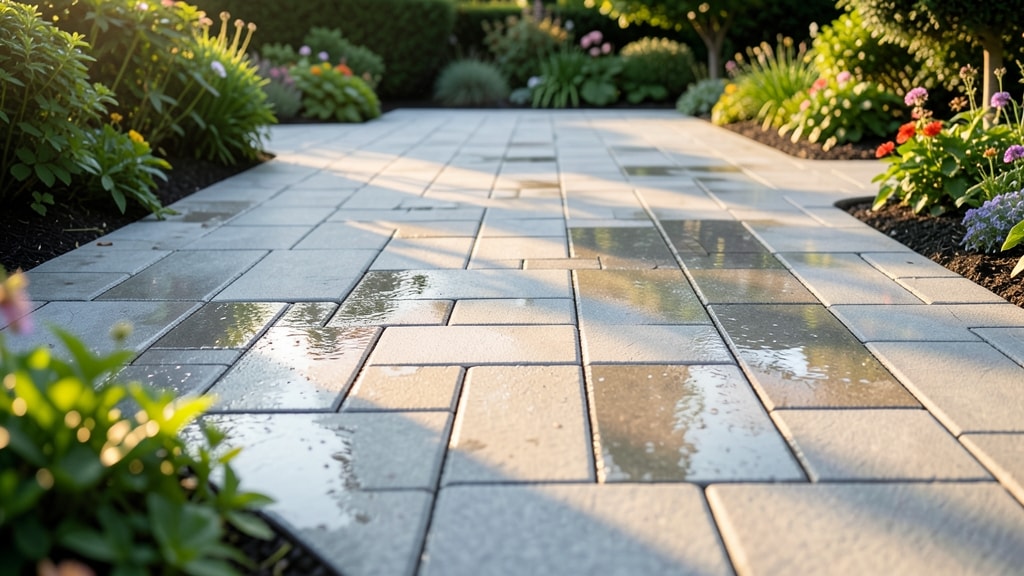
Pressure washing restores your property’s curb appeal, but the real work starts after the job is done. In our coastal climate, salt air and humidity accelerate dirt, mold, and algae regrowth—so proper maintenance is key to lasting results. We’ll show you how to protect your investment and keep surfaces looking fresh longer.
Why Post-Wash Maintenance Matters in Coastal Areas
Garden City Beach’s salty air and high humidity create the perfect storm for rapid buildup on exterior surfaces. Without maintenance, mold, mildew, and salt residue can return within weeks, undoing the work of a professional wash.
Regular upkeep not only preserves the clean look but also prevents long-term damage like wood rot, concrete pitting, or vinyl siding degradation. It’s the difference between a one-time fix and lasting protection.
First 48 Hours: Critical Steps After Pressure Washing
Let surfaces dry completely—at least 24–48 hours—before applying any sealants or treatments. Moisture trapped beneath coatings can lead to peeling or mold growth underneath.
Inspect the cleaned areas for missed spots or lingering stains, especially in shaded or high-moisture zones like under decks or near downspouts. Touch-ups now save bigger headaches later.
If you notice efflorescence (white, chalky residue) on concrete after washing, wait for dry conditions, then sweep it off. A light re-wash with a mild acid solution may be needed for stubborn cases.
Sealants and Protective Coatings: What to Use Where
Not all sealants are created equal. For wooden decks and fences, use a penetrating sealer with UV inhibitors to combat sun damage and moisture. Composite decking may only need a protective topcoat.
Concrete driveways and walkways benefit from a breathable, salt-resistant sealer to fend off coastal erosion and staining. Reapply every 1–2 years, depending on wear and exposure.
| Surface | Sealant Type | Reapplication Frequency |
|---|---|---|
| Wood Deck | Penetrating sealer with UV inhibitors | Every 1–2 years |
| Composite Decking | Protective topcoat (water-based) | Every 2–3 years |
| Concrete Driveway | Breathable, salt-resistant sealer | Every 1–2 years |
| Vinyl Siding | Acrylic or silicone-based protectant | Every 2–3 years |
| Fence (Wood) | Oil- or water-based stain/sealer | Every 1–2 years |
Preventing Mold and Mildew Regrowth
Mold and mildew thrive in shaded, damp areas—common in neighborhoods near Murrells Inlet or Pawleys Island. Trim back vegetation to improve airflow and sunlight exposure to vulnerable spots.
For roofs and siding, consider a soft wash treatment with algaecides or mildew inhibitors. These can be applied post-wash to delay regrowth, especially before the humid summer months.
While bleach kills surface mold, it doesn’t prevent regrowth and can damage some materials over time. Opt for specialized cleaners designed for pressure washing aftercare.
Regular Cleaning Routines to Extend Results
A light rinse every 3–6 months removes surface dirt before it becomes embedded. Use a garden hose with a spray nozzle for most surfaces, but avoid high pressure on delicate areas like roof shingles or old wood.
For driveways and walkways, sweep regularly to prevent dirt and sand buildup, which can abrade the surface over time. A leaf blower helps clear debris from decks and patios.
Seasonal Considerations for Garden City Beach Homes
Spring and fall are ideal for maintenance. Spring prep removes winter grime and pollen, while fall care addresses leaf debris and salt residue before the colder, wetter months.
After hurricane season, inspect for new stains or damage from wind-driven debris. Salt spray from storms can etch concrete or corrode metal fixtures if left unchecked.
Seasonal Maintenance Checklist
- Inspect and clean gutters to prevent overflow and staining
- Check for and remove new mold or algae spots
- Reapply sealants if water no longer beads on surfaces
- Clear debris from decks, patios, and driveways
- Schedule a professional touch-up wash if needed
When to Call in the Pros Again
Even with diligent maintenance, some jobs require professional equipment and expertise. If you notice deep staining, widespread mold, or surfaces that no longer respond to routine cleaning, it’s time for a pro.
We also recommend annual or bi-annual professional pressure washing for high-traffic or high-exposure areas like driveways in Surfside Beach or commercial properties in Myrtle Beach.
How to Apply Sealant After Pressure Washing
Sealing surfaces after cleaning locks in protection and extends the life of your pressure washing results.
- 1Prep the Surface
Ensure the surface is completely dry and free of dust or debris. Sweep or wipe down as needed.
- 2Choose the Right Product
Select a sealant matched to your surface type (wood, concrete, vinyl, etc.) and local conditions (e.g., salt-resistant for coastal areas).
- 3Test a Small Area
Apply sealant to an inconspicuous spot to check for color changes or adverse reactions.
- 4Apply Evenly
Use a brush, roller, or sprayer to apply a thin, even coat. Avoid over-application, which can lead to peeling.
- 5Allow Proper Drying Time
Follow the manufacturer’s recommended drying time (usually 24–48 hours) before exposing the surface to foot traffic or moisture.
- 6Plan for Reapplication
Note the recommended reapplication interval and mark your calendar for future maintenance.
Frequently Asked Questions
How often should I pressure wash my home in Garden City Beach?
Most homes benefit from professional pressure washing every 1–2 years, but high-exposure areas (like driveways or roofs near the ocean) may need annual service. Factors like shade, humidity, and nearby foliage can shorten or extend this timeline.
Can I use a pressure washer for regular maintenance between professional cleanings?
Yes, but use caution. A pressure washer on a low setting can help with light maintenance, but improper use can damage surfaces. For delicate areas like roofs or old wood, stick to a garden hose or soft wash methods.
How can I remove salt residue from my driveway?
A thorough rinse with fresh water can remove surface salt, but embedded residue may require a professional pressure wash with specialized cleaners. Sealing the driveway afterward helps repel future salt buildup.
Do I need to seal my deck after pressure washing?
Sealing is highly recommended, especially for wood decks. It protects against moisture, UV damage, and mold growth. Composite decks may not need sealing but can benefit from a protective topcoat.
How can I prevent mold from returning quickly after a wash?
Improve airflow and sunlight exposure by trimming vegetation, use mold-resistant paint or sealants, and consider applying a mildew inhibitor after washing. Regular light cleaning also helps prevent regrowth.
Is pressure washing safe for all types of siding in Garden City Beach?
Most siding types (vinyl, fiber cement, brick) can handle pressure washing, but the PSI and technique must be adjusted to avoid damage. Soft wash methods are safer for delicate surfaces like stucco or old wood. Always request a quote to assess your specific needs.