Your Seasonal Pressure Washing Guide for Garden City Beach Property Owners
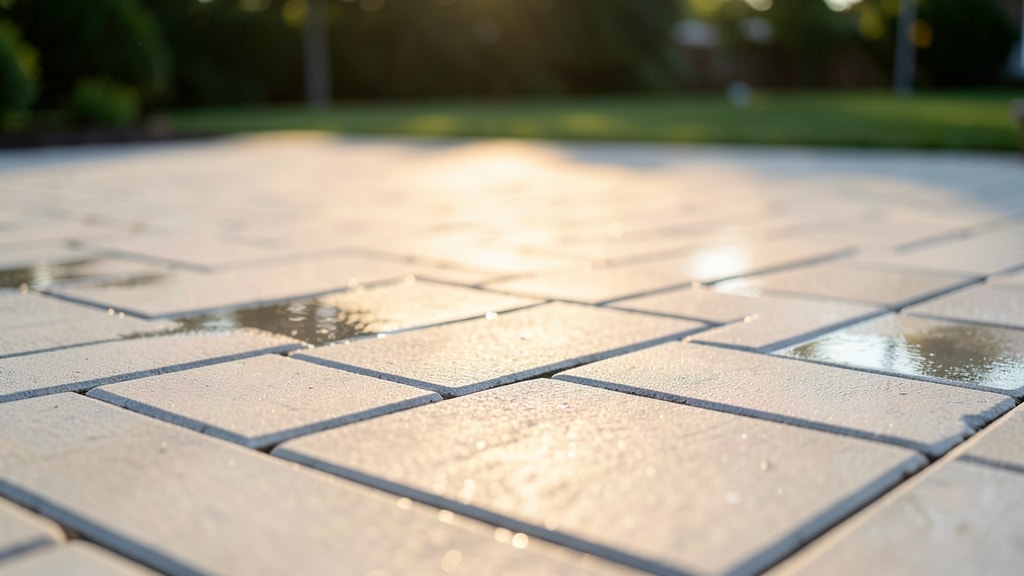
Our coastal climate in Garden City Beach is tough on exteriors. Salt spray, humidity, and seasonal debris accelerate grime buildup that regular cleaning can’t touch. A strategic, seasonal pressure washing plan protects your investment and keeps properties looking their best year-round.
Why Seasonal Pressure Washing Matters Here
Salt air and high humidity create the perfect storm for mold, mildew, and algae. These organisms don’t just look bad—they degrade surfaces over time, especially on siding, decks, and roofs.
Left unchecked, organic growth can shorten the lifespan of paint, stain, and even structural materials. Seasonal cleaning interrupts this cycle before damage becomes costly.
Pollens in spring and falling leaves in autumn add layers of grime that trap moisture. That’s why timing your cleaning to the seasons is critical in our area.
Spring: Tackling Pollen and Winter Residue
Spring in Garden City Beach means yellow pollen coats everything. A thorough wash removes this abrasive layer before it etches into surfaces or clogs gutters.
Winter’s salt spray and road grit also linger. Driveways, walkways, and vehicle areas need attention to prevent pitting and staining on concrete or pavers.
This is the ideal time for house washing, driveway cleaning, and gutter cleaning. Soft washing roofs now prevents algae from taking hold as temperatures rise.
Use a surface cleaner attachment for large, flat areas like driveways. It distributes pressure evenly and cuts cleaning time in half compared to a standard wand.
Summer: Maintenance Between Storms
Summer storms can leave behind dirt, sand, and organic debris. Quick touch-ups after major weather events keep surfaces from staining.
High heat and UV exposure can dry out wood decks and fences, making them more susceptible to mold. A mid-summer cleaning and sealant refresh preserves these surfaces.
For commercial properties in Surfside Beach or Murrells Inlet, frequent cleaning maintains a professional appearance and prevents slip hazards from algae on sidewalks.
Fall: Preparing for Cooler, Wetter Months
Falling leaves and organic debris accumulate in gutters and on roofs. Clearing these before winter prevents water damage and ice damming in colder snaps.
Deck and fence cleaning in fall removes dirt and mildew before applying a protective sealant. This step is critical for wood surfaces to withstand winter moisture.
Driveways and patios should be cleaned to remove stains from summer barbecues or pool chemicals. This prevents permanent discoloration.
Fall Pressure Washing Checklist
- Clean gutters and downspouts to ensure proper drainage
- Soft wash roof to remove algae and moss
- Wash decks and fences, then apply sealant
- Remove oil and grease stains from driveways
- Clear cobwebs and dirt from eaves and siding
Winter: Focus on Salt and Storm Aftermath
Winter brings salt spray from ocean winds and occasional freezing temperatures. Concrete and brick surfaces are especially vulnerable to salt damage, which can cause spalling or efflorescence.
Post-storm cleaning removes sand, salt, and debris that can scratch or stain surfaces. Prompt attention prevents long-term damage from embedded grit.
While full exterior washes are less common in winter, spot cleaning problem areas—like entryways or high-traffic walkways—keeps properties safe and presentable.
Water can freeze on surfaces or in equipment, causing damage. Wait for temperatures above 40°F and ensure surfaces are dry before nightfall.
Choosing the Right Pressure Washing Method for Each Surface
Not all surfaces can handle the same pressure or cleaning agents. Soft washing is essential for delicate materials like roof shingles, vinyl siding, and wood decks.
Concrete, brick, and pavers can typically handle higher PSI, but using the wrong nozzle or distance can still cause damage. Always test a small area first.
For stubborn stains like oil on driveways or graffiti on commercial buildings in Myrtle Beach, specialized detergents and techniques may be required.
| Surface | PSI Range | Method | Cleaning Agent |
|---|---|---|---|
| Vinyl Siding | 1,200–1,900 | Soft Wash | Sodium Hypochlorite (Bleach Mix) |
| Concrete Driveway | 2,500–3,500 | Pressure Wash | Degreaser or Concrete Cleaner |
| Wood Deck | 500–1,200 | Soft Wash | Mild Detergent or Oxygen Bleach |
| Roof Shingles | 250–700 | Soft Wash | Algaecide or Bleach Mix |
| Brick/Pavers | 1,500–2,500 | Pressure Wash | Mild Detergent |
| Composite Decking | 1,200–1,500 | Pressure Wash (Wide Nozzle) | Mild Soap Solution |
DIY vs. Hiring a Pro: What Garden City Beach Homeowners Should Know
DIY pressure washing can be effective for small, simple jobs like cleaning a patio or driveway. However, it requires the right equipment, technique, and safety precautions.
For multi-story homes, roofs, or delicate surfaces, hiring a pro ensures the job is done safely and correctly. Our team uses commercial-grade equipment and eco-friendly cleaners tailored to coastal conditions.
Improper pressure or incorrect detergents can void warranties on siding, roofs, or decks. Professionals also carry insurance, protecting you from liability in case of accidents.
Consumer-grade pressure washers often lack the GPM (gallons per minute) needed for large jobs. Pros use machines with 3–8 GPM, which clean faster and more thoroughly.
Eco-Friendly Practices for Coastal Properties
Our proximity to the ocean means we must be mindful of runoff. Biodegradable detergents and proper containment prevent harm to local waterways and marine life.
Soft washing uses less water than traditional pressure washing and relies on specialized solutions to break down grime, making it a more sustainable choice for many surfaces.
For properties near Murrells Inlet or Pawleys Island, we always follow local regulations on water usage and chemical disposal. Protecting our environment is part of protecting your property.
How to Prep Your Property for Pressure Washing
Proper preparation ensures the best results and protects your landscaping and surfaces.
- 1Clear the Area
Remove outdoor furniture, grills, potted plants, and vehicles from the work zone. Cover or move items that can’t be relocated.
- 2Inspect Surfaces
Check for loose paint, cracked concrete, or damaged wood. Repair these issues before cleaning to avoid further damage.
- 3Protect Landscaping
Wet down plants and grass with water before cleaning. Use plastic sheeting or tarps to shield sensitive vegetation from detergents.
- 4Close Windows and Doors
Ensure all windows, doors, and vents are sealed to prevent water and cleaning solutions from entering your home.
- 5Test a Small Area
Always test your pressure washer settings and detergent on a small, hidden area to check for damage or discoloration.
Frequently Asked Questions
How often should I pressure wash my home in Garden City Beach?
Most homes benefit from a full exterior wash twice a year—once in spring and once in fall. Properties near the ocean or with heavy tree cover may need more frequent cleaning to combat salt spray and organic buildup.
Can pressure washing damage my roof?
Yes, if done incorrectly. High pressure can strip shingles or force water beneath them. That’s why roofs require soft washing with low PSI and specialized nozzles. Always hire a pro for roof cleaning.
What’s the difference between pressure washing and soft washing?
Pressure washing uses high PSI to blast away dirt and grime, ideal for hard surfaces like concrete. Soft washing uses low pressure and chemical solutions to safely clean delicate surfaces like roofs, siding, and wood decks.
Do I need to seal my deck after pressure washing it?
Yes, especially for wood decks. Cleaning removes dirt and old sealant, leaving the wood exposed. Applying a fresh sealant after cleaning protects it from moisture, UV rays, and mold growth.
How long does it take for surfaces to dry after pressure washing?
Drying times vary by surface and weather. Concrete and brick typically dry within a few hours in sunny conditions. Wood decks may take 24–48 hours, especially in humid or overcast weather.
Can you pressure wash windows?
Pressure washing is not recommended for windows, as the high pressure can break glass or damage seals. For window cleaning, we use a gentle, water-fed pole system or traditional hand-washing methods.